





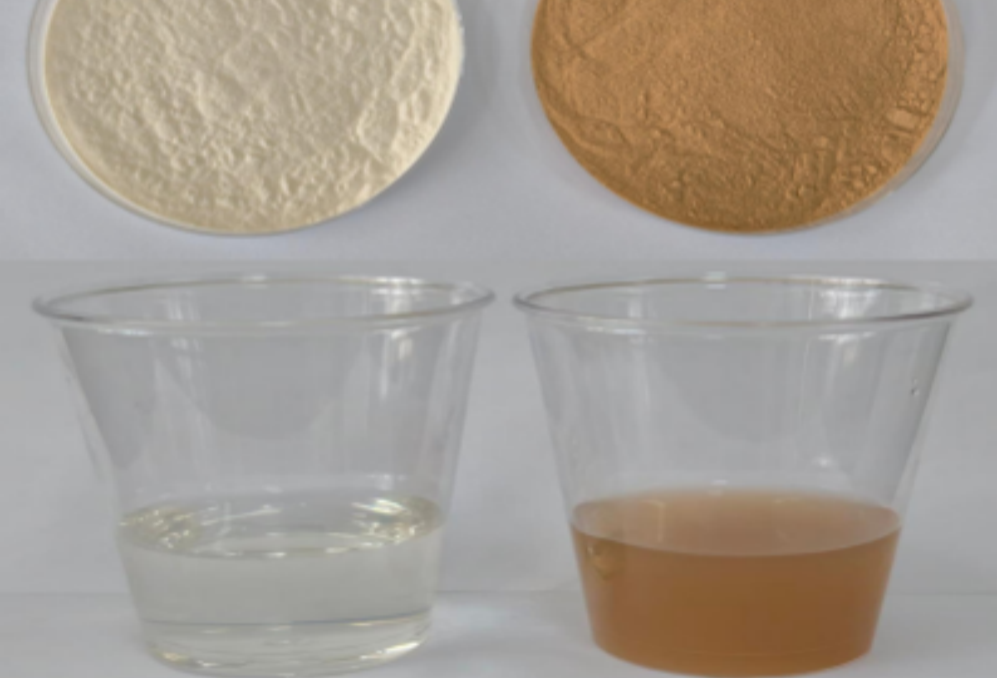

Mulberry Leaf Extract Gains Attention in Functional Nutrition and Botanical Ingredient Applications
Mulberry leaves contain iminosugar alkaloids, among which 1-deoxynojirimycin (DNJ) is the most abundant. DNJ has been described as a glucose analogue and an α-glucosidase inhibitor.
A randomized, double-blind, crossover study evaluated mulberry leaf extract containing 3, 6, or 9 mg of DNJ in subjects with fasting plasma glucose between 100 and 140 mg/dL. The study examined blood glucose and insulin concentrations for two hours following a carbohydrate challenge.
In a separate 12-week randomized, double-blind, placebo-controlled study, 76 participants with fasting plasma glucose between 110 and 140 mg/dL received mulberry leaf extract containing 6 mg of DNJ three times daily or placebo. The study reported an increase in serum 1,5-anhydroglucitol in the extract group compared with the placebo group during the treatment period. No differences in fasting plasma glucose, glycated hemoglobin, or glycated albumin concentrations were observed between the groups.
Research has also examined mulberry leaf extract in combination with other functional ingredients. A randomized, placebo-controlled crossover study evaluated a powder blend containing 250 mg of mulberry leaf extract, providing 12.5 mg of DNJ, together with fiber, vitamin D₃, and chromium. The intervention was tested in people with type 2 diabetes in a two-center study conducted in the United States and Singapore. Postprandial blood glucose, insulin, and incretin hormones were evaluated following a breakfast meal.
Mulberry leaf extract has also been investigated in beverage applications. A published safety study evaluated a beverage containing mulberry leaf extract. The test beverage consisted of 500 mL of green tea combined with 550 mg of mulberry leaf extract. The extract contained more than 0.7% mulberry leaf iminosugar, with DNJ, GAL-DNJ, and fagomine identified among its main constituents.
More recent clinical research continues to examine mulberry leaf extract and blood glucose control. A registered randomized clinical study updated in April 2026 is evaluating a mulberry leaf extract capsule containing 12 mg of DNJ in healthy volunteers. Participants are scheduled to take the intervention three times daily for eight weeks, with fasting plasma glucose, HbA1c, safety parameters, and adverse events among the outcomes being evaluated.
The clinical study includes an estimated 48 participants and is designed as a Phase 1 interventional study. The estimated study completion date is September 2026.
Mulberry leaf extract research has therefore included capsules, powder blends, and beverages, while DNJ remains a principal compound examined in studies of mulberry leaf preparations.