








Matcha Supply Tightens as Global Demand Continues to Rise
Global demand for matcha has increased rapidly in recent years as the powdered green tea expands beyond traditional consumption.
Matcha has moved beyond traditional tea preparation and is increasingly used in beverages, lattes, desserts, bakery products and functional food products.Matcha-based beverages have become increasingly visible in cafés and retail channels worldwide.Consumer interest has expanded through social media platforms, café culture and growing demand for wellness-oriented beverages.
The hashtag #matcha has appeared in more than 5 million social media videos, contributing to increased consumer awareness.
In Australia, matcha beverage orders increased 133% year on year, with growth driven largely by consumers under 35.Japan produced 5,336 tons of tencha in 2024, the raw material used to make matcha, more than double the volume produced a decade earlier.Japan exported 5,092 tons of matcha in 2024, representing an 18.7% increase compared with the previous year. Export value reached approximately USD 185 million, increasing 25.9% year on year.
The United States was the largest export destination in 2024, importing 2,217 tons of matcha, with an average value of approximately USD 39.37 per kilogram.
The top five export destinations accounted for 65.7% of total Japanese matcha exports in 2024.
Japan’s green tea exports increased 25% in value and 16% in volume in 2024, reflecting stronger international demand for powdered green tea products.

Rising Demand Puts Pressure on Matcha Supply
Matcha demand has grown faster than supply capacity.
Production expansion remains challenging because tencha cultivation requires specialized farming methods and additional processing steps.
The rapid growth in demand has created pressure on global supply chains.International demand has continued increasing, particularly from overseas markets where matcha beverages and wellness products have gained popularity.
The current market pressure is not only related to agricultural output but also processing capacity.Limited processing capacity has become an important factor affecting market availability.Demand growth has increased pressure on raw material availability, processing capacity and inventory levels.
Weather conditions have affected production. In some major producing regions, farmers reported harvest reductions of around 25% due to extreme heat conditions.
The Kyoto region, which accounts for about one-quarter of Japan’s tencha production, experienced severe heatwaves that affected recent harvest yields.
One farmer reported harvesting 1.5 tons of tencha, compared with a typical harvest of 2 tons, representing a decline of approximately 25%.Tencha prices have reached record levels, with Kyoto prices increasing by approximately 170% compared with the previous year.
The average price increase has created additional challenges for manufacturers and buyers seeking stable supply.

Supply Chain Capacity Becomes a Key Industry Issue
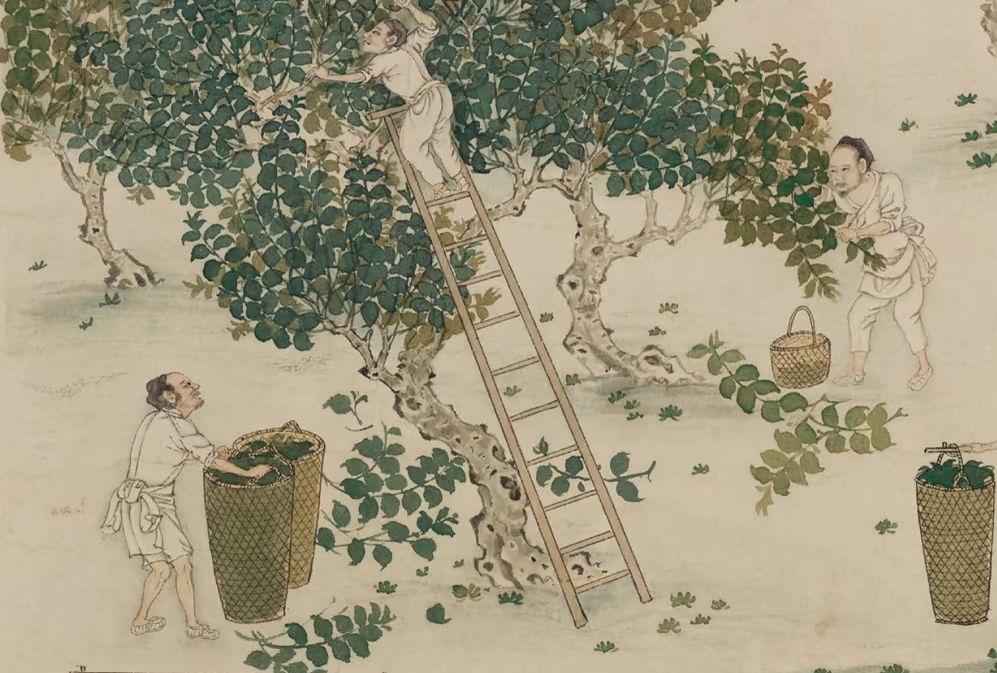
New tea fields require approximately five years before becoming harvestable, limiting the speed at which production can increase.Matcha production involves multiple stages, including cultivation, shading, harvesting, steaming, drying, refining and stone milling.The limited availability of premium raw materials and processing capacity has created challenges for suppliers and buyers seeking consistent quality.
Japan’s harvestable tea fields totaled approximately 25,400 hectares in 2025, around 30% lower than a decade earlier.
Agricultural labor supply decreased by approximately 25% between 2020 and 2025, adding further pressure to production capacity.Japan’s powdered green tea exports continued expanding.In 2025, Japan exported 8,718 tonnes of powdered green tea, an increase of 71% compared with 2024. Export value reached ¥60.4 billion, more than double the previous year.
Exports to the European Union increased from approximately 785 tons to 1,455 tons.Japan’s green tea export value reached ¥72.1 billion in 2025, increasing 98% year on year and approximately tripling compared with a decade earlier.