




Ganoderma Fermentation Is Moving Beyond Extraction Yield
From Extraction Yield to Fermentation Engineering
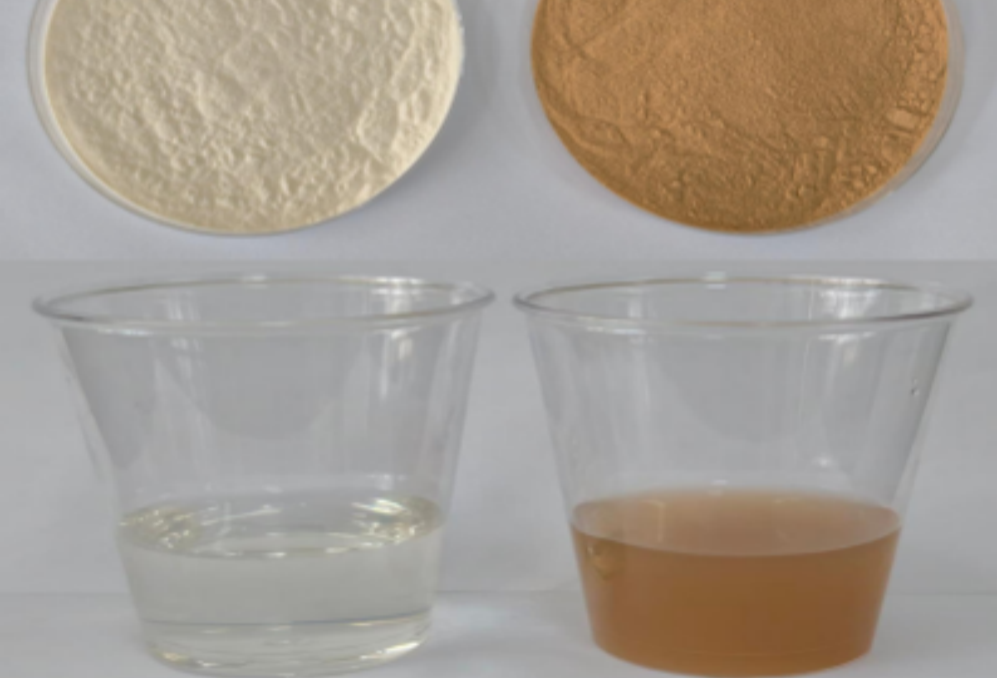
The growing global demand for functional foods has intensified interest in the biotechnological exploitation of medicinal mushrooms.Submerged fermentation is positioned as a controllable platform for tailoring molecular weight distribution, branching degree, monosaccharide composition, and higher-order conformation.The submerged fermentation of Ganoderma is an important source of polysaccharides in the mycelia.
Polysaccharides from Ganoderma lucidum exhibit unique bioactivity, but traditional cultivation yields low quantities and unstable quality.Submerged directed fermentation yields structurally defined, high MW bioactive GLPs.
Morphology Is Becoming a Process Variable
Two different mycelia morphologies (clumps and pellets) of Ganoderma lucidum can be produced by bidirectional submerged fermentation.Ganoderma lucidum pellets contributed to higher yields of polysaccharides and triterpenes, as well as stronger antioxidant activity.These parameters included inoculum size, aeration rate, substrate viscosity, and rotation speed.
Among these parameters, rotation speed exerted the most significant effect on both morphology regulation and pellet formation.Ovoid pellet favours exopolysaccharide production in a shake flask.Starburst-like pellet favours exopolysaccharide production in a bioreactor.
Fermentation Is Shaping Ingredient Quality
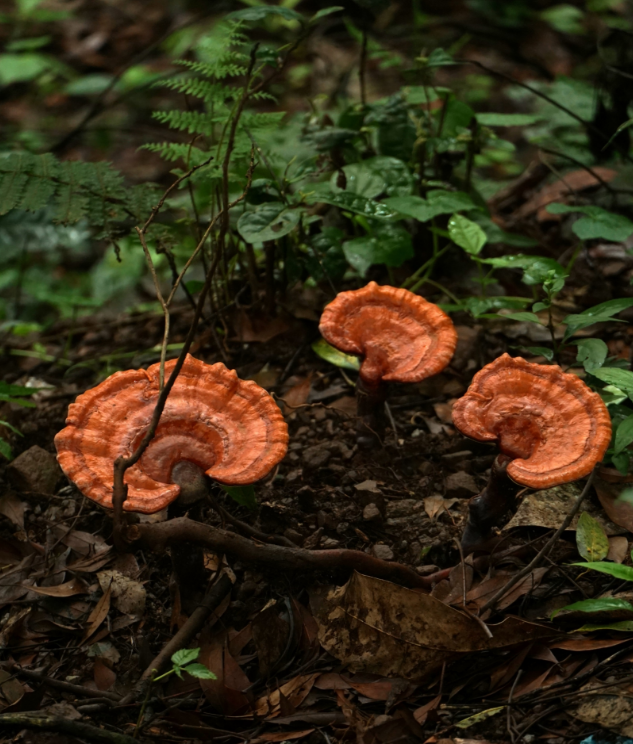
The results showed that inoculation amount and fermentation scales had a significant effect on the content of high MW IPS.By lowering the initial glucose concentration combined with fed-batch fermentation, the high MW IPS content was improved.
The monosaccharide composition indicated that the high MW IPS obtained from different fermentation scales exhibited stability.Compared with fruiting-body extraction, fermentation enables improved reproducibility and structural tunability but requires rigorous standardization.Structural definition and functional reproducibility, rather than productivity, [are] the primary criterion of polysaccharide quality.
Ganoderic Acids Are Moving Into Process Optimization
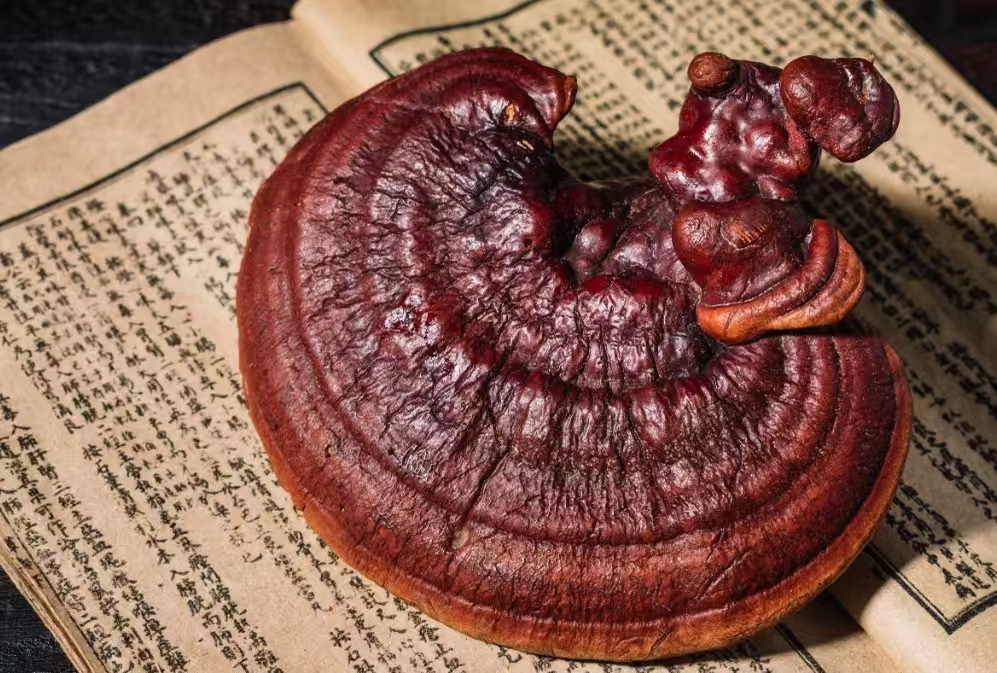
Ganoderic acids are bioactive lanostane-type triterpenoids produced by Ganoderma lucidum that accumulate predominantly in fruiting bodies.
- lucidum TM701 accumulated 99 GA derivatives in mycelia.
Four abundant GAs were selected as marker compounds for monitoring GA production.A modified two-stage cultivation strategy… increased GA production to 1396 mg L−1 GAs.
Triterpenoids, particularly ganoderic acids, represent the principal bioactive constituents in Ganoderma lucidum.
From Yield to Reproducibility
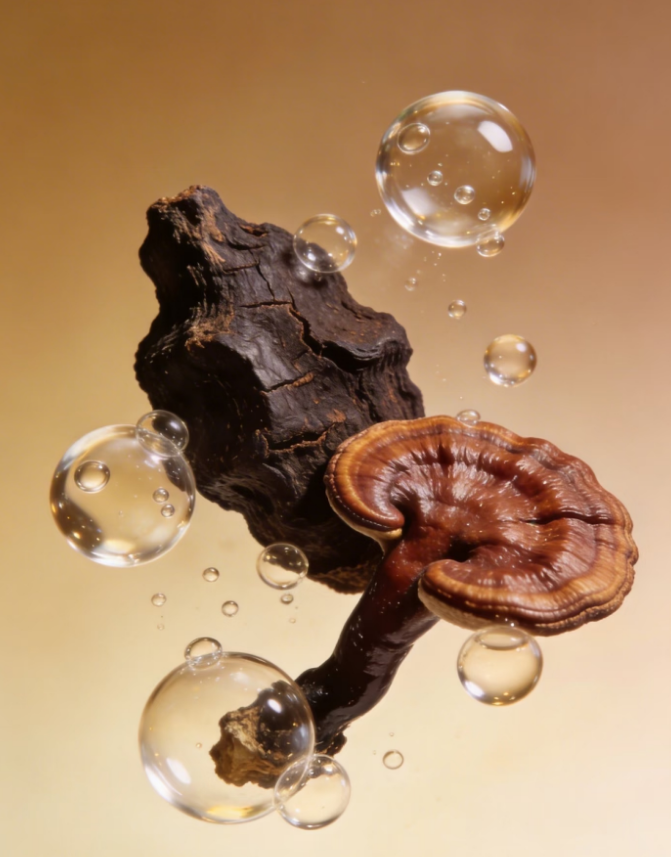
Structural variability limits reproducible Ganoderma polysaccharide function.Submerged fermentation enables tunable polysaccharide molecular structure.Process parameters govern molecular weight, branching, and conformation.Compared with fruiting-body extraction, fermentation enables improved reproducibility and structural tunability but requires rigorous standardization.Structural definition and functional reproducibility, rather than productivity, [are] the primary criterion of polysaccharide quality.
From Fermentation to Functional Food Development
The translation of fermentation outputs into functional food formats is surveyed.Edible fungi fermentation is an effective strategy for enhancing the functional value of traditional foods.
Fermentation significantly affects the flavor, aroma, and lipid-lowering ability of green tea infusion.This study contributes to the development of a novel functional food research field.
The persistent gap between in vitro bioactivity data and clinical validation is highlighted.