







Don't Assume "Trouble Falling Asleep" is the Only Sign of Insomnia! Experiencing These 4 Conditions Means You May Have a Sleep Disorder
In today's fast-paced living environment, sleep quality has become a crucial indicator of human health. However, many people hold misconceptions about insomnia, believing that only "lying awake all night until dawn" counts as a sleep disorder.
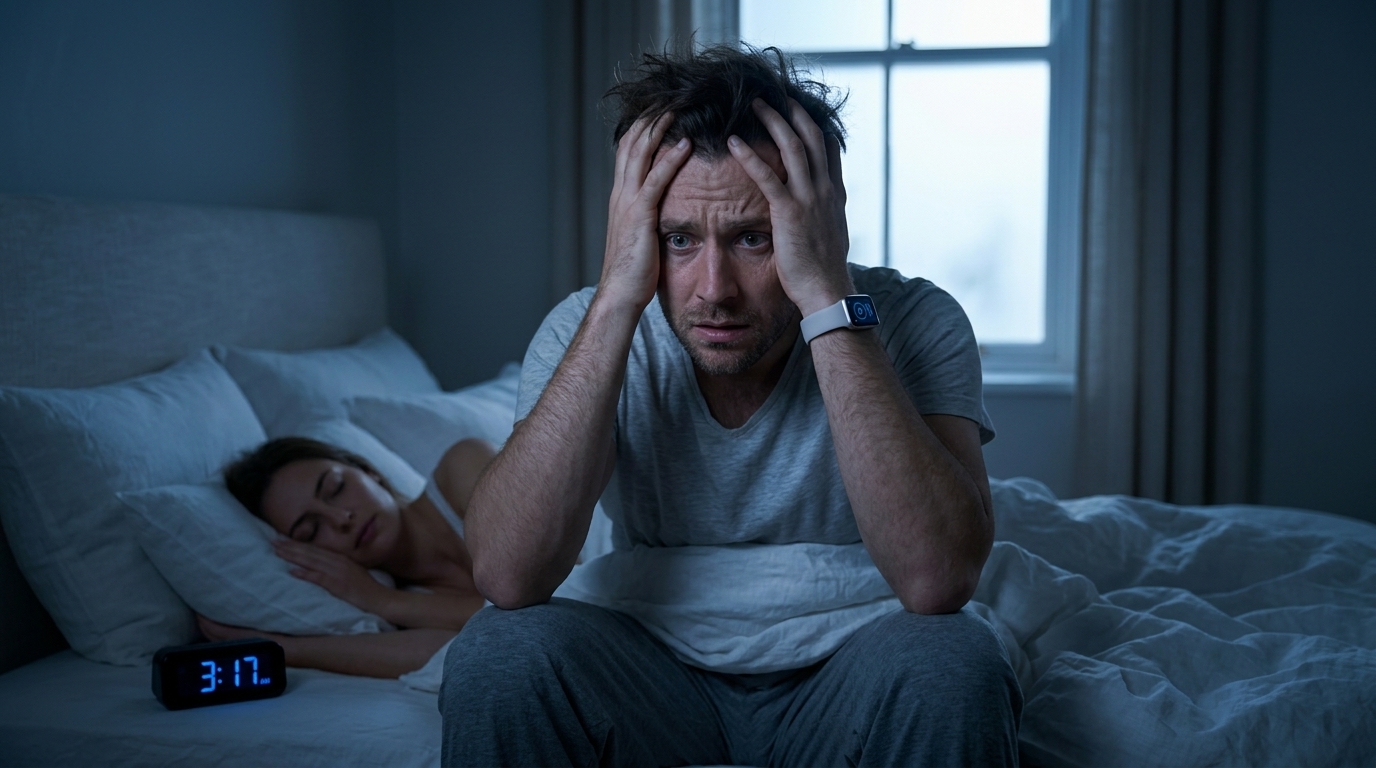
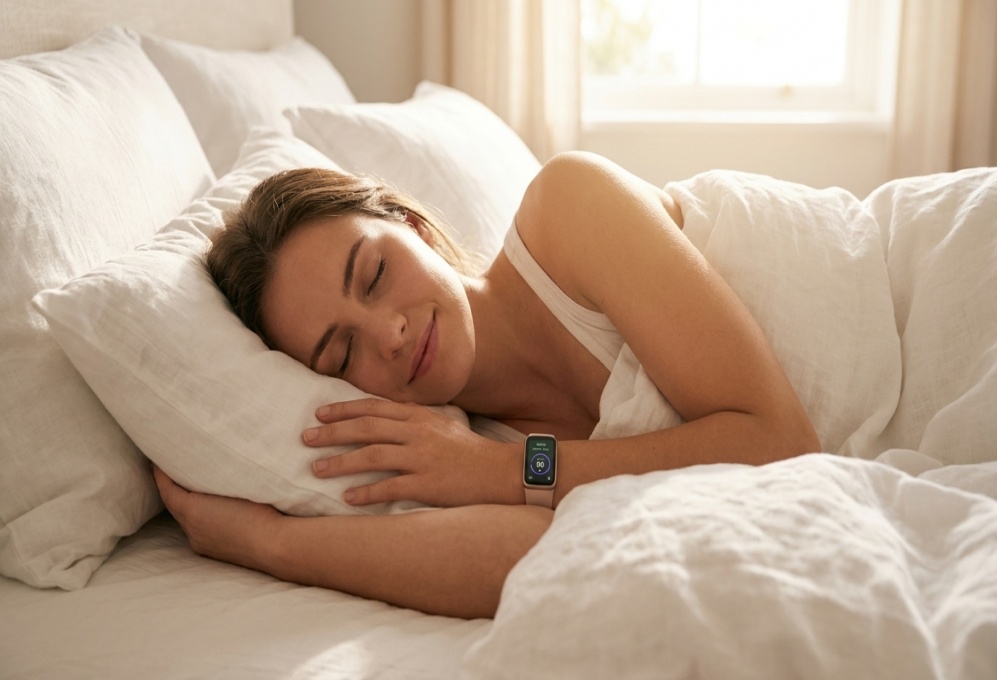
According to sleep medicine experts, being dissatisfied with one's sleep quality or duration, and experiencing subsequent daytime impairment, may indicate a sleep disorder. Specifically, sleep disorders primarily manifest in the following 4 typical conditions:
-
Difficulty Falling Asleep: Taking more than 1 hour to fall asleep after going to bed for adults (more than 30 minutes for children or adolescents).
-
Frequent Awakenings (Fragmented Sleep): Waking up more than twice during the night and requiring over 30 minutes to fall back asleep each time.
-
Long-Term Light Sleep: Severe deficiency in deep sleep duration; even after sleeping 7–8 hours, individuals still wake up feeling exhausted and fatigued.
-
Early Morning Awakening: Waking up more than 1 hour earlier than usual habitual wake-up time (e.g., normally waking at 7:00 AM, but consistently waking at 5:00 or 6:00 AM recently), with total nighttime sleep duration dropping below 5 hours.
If these conditions occur 3 days or more per week, or persist for over a month, they constitute a clear sleep disorder. Long-term suffering not only leads to daytime lack of concentration, memory decline, and irritability, but also increases the risk of anxiety and depression.
Deep-Seated Causes of Sleep Disorders
The triggers for sleep disorders are multifaceted, ranging from physical factors such as environmental noise and inappropriate temperature/humidity to psychological factors like work stress and emotional fluctuations. Additionally, late-night caffeine or alcohol intake, as well as central nervous system over-excitation, are common culprits that disrupt sleep architecture.
To tackle sleep difficulties, experts recommend establishing healthy sleep habits (such as fixed bedtimes and maintaining a dark, quiet bedroom) alongside psychological adjustments. However, many sufferers hesitate to use conventional sleep medications due to concerns about dependency and next-day grogginess, creating an urgent demand for safer, sustainable natural management solutions.

A Natural Herbal Breakthrough: The Calming Efficacy of Ziziphus jujuba seed extract
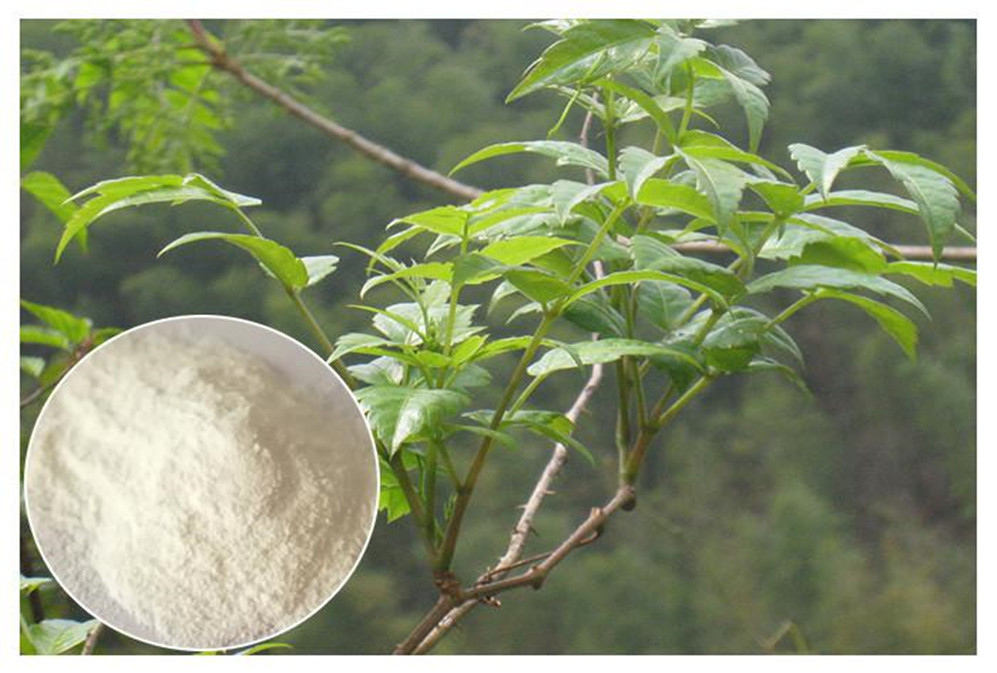
With the rise of natural health concepts, traditional Eastern medicinal and edible ingredients are gaining widespread international attention. Among them, Ziziphus jujuba seed extract has emerged as a star raw material in the sleep-support sector, renowned for its outstanding soothing and calming properties.
-
Scientific Regulation, Free from Dependency: Unlike stimulating pharmaceuticals, Ziziphus jujuba seed extract is rich in active constituents such as jujubosides and total flavonoids. It works by gently regulating the central nervous system to help relieve anxiety and relax the mind.
-
Restoring Deep Sleep, Enhancing Sleep Quality: Clinical studies demonstrate that standardized Ziziphus jujuba seed extract not only effectively shortens sleep latency, but also significantly prolongs deep sleep duration and reduces nocturnal awakenings, helping the body restore its natural sleep rhythm.
For modern individuals seeking to improve their sleep architecture and break free from sub-health states, daily nutritional supplementation with scientifically extracted Ziziphus jujuba seed extract offers a safe, non-habit-forming, and high-performance natural premier choice.
anna@hihealthbio.com